- Version
- Download 0
- File Size 4.00 KB
- File Count 1
- Create Date January 1, 2018
- Last Updated December 10, 2025
Quantitative Livelihood Profile Analysis of Rural Households in Zambia
Executive Summary
Addressing poverty, particularly in rural areas, is one of the main challenges facing the Zambian government (Chapoto et al., 2011). Currently, rural headcount poverty stands at about 77 percent (CSO, 2016). Reducing poverty and food insecurity are central to Zambia’s agricultural and social protection interventions, as reflected in the second National Agriculture Policy and the National Social Protection Policy of the Government of the Republic of Zambia (GRZ). While GRZ is making considerable efforts to increase the coverage of non-contributory social protection programmes, the vast majority of poor and vulnerable households do not receive any kind of social
protection. Agricultural households in rural areas use limited inputs, basic production technologies, depend on rainfed agriculture and have poor access to markets, all of which affects their food security. Hence, sustainable reductions in poverty require interventions that work both to relieve immediate food insecurity and, in the longer run, improve agricultural productivity.
Related Posts
March 25, 2026
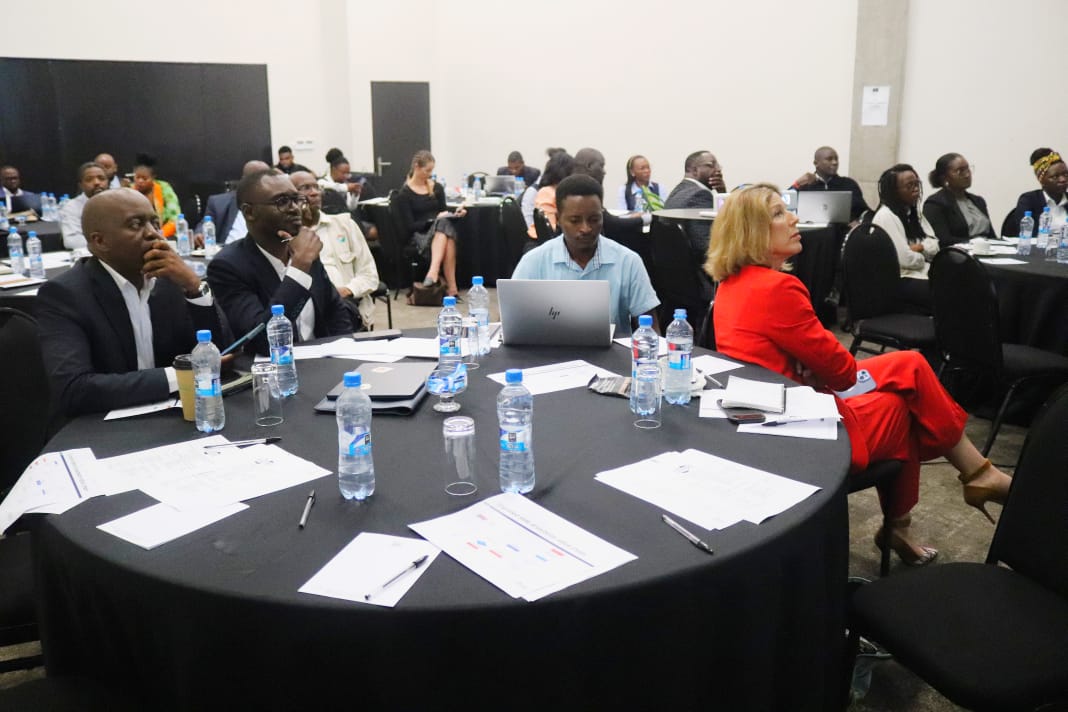
High-Level Dialogue on Zambia’s Agricultural Trade Policy Predictability in the AfCTA era
#IAPRI in partnership with Africa Network of Agricultural Policy Research Institutes held a high-level dialogue…

March 20, 2026
Upcoming Stakeholder Dialogue
Join us virtually on 24th March, 2026 from 09:00 hours to 14:00 hours for a…
March 20, 2026
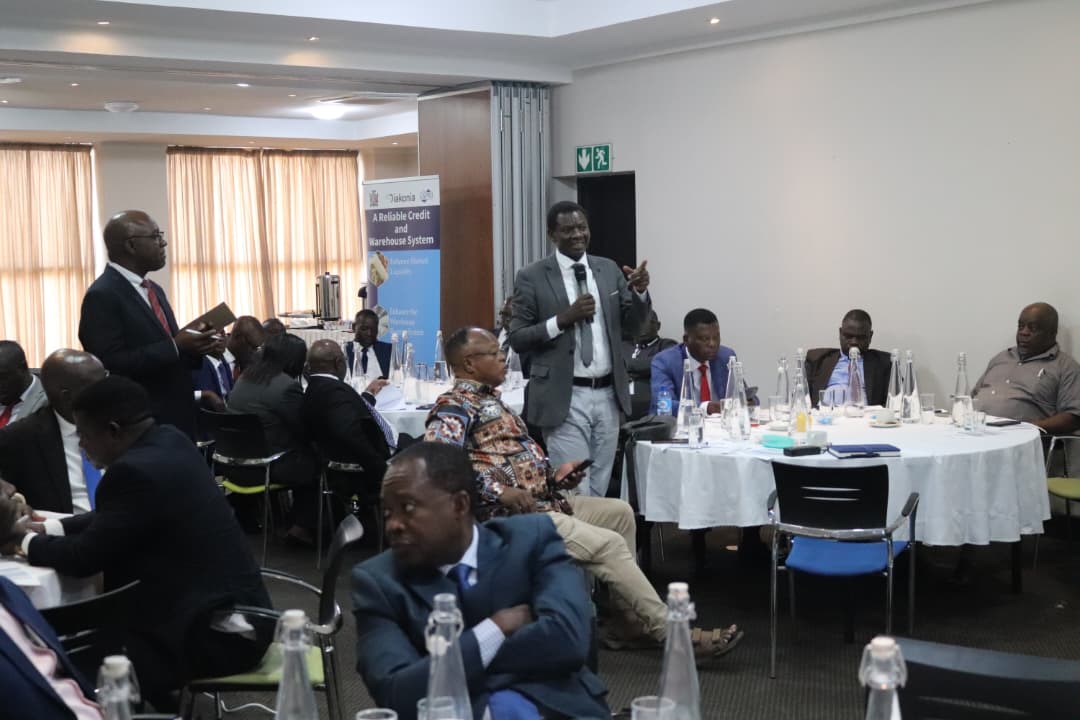
2nd High-Level Engagement Meeting with MPs
#IAPRI with support from Foreign, Commonwealth & Development Office and Diakonia Zambia Country Office successfully…

March 12, 2026
National Youth Day Celebration
#IAPRI celebrates the national youths as they Soar with Vision in driving national development. As…