- Version
- Download 0
- File Size 6.94 MB
- File Count 1
- Create Date August 23, 2024
- Last Updated March 11, 2026
Causes and Consequences of the Recent Fertilizer Price Spikes in sub-Saharan Africa.
The rapid increase in inorganic fertilizer prices in 2021 and 2022 was a major shock to global agricultural and food markets. This price spike was initially caused by disruptions to global supply chains as a result of the COVID-19 pandemic. Russia’s invasion of Ukraine in early 2022 put additional upward pressure on inorganic fertilizer prices. After peaking in mid-2022, the world prices of inorganic fertilizers declined quickly and were back to pre-2021 levels by the end of 2023. Thus, the global fertilizer industry adjusted their production and sourcing so the effect in global markets was relatively short-lived. However, sub-Saharan Africa (SSA) faced a much longer and more pronounced fertilizer price spike. Specifically, fertilizer prices in SSA rose with the world price in 2021 but decoupled from the world price after that. Prices in SSA stayed higher for longer and still had not returned to their previous levels in most countries as of mid-2024. Since a significant share of SSA’s population earns the majority of their income from crop farming and inorganic fertilizer is a key input into the production of those crops, the prolonged fertilizer price spike and decoupling from the world price has major implications for millions of smallholder farmers in the region. This is true for both farmers who use inorganic fertilizer and those who would use fertilizer if the economic conditions were more favorable.
Related Posts

March 20, 2026
Upcoming Stakeholder Dialogue
Join us virtually on 24th March, 2026 from 09:00 hours to 14:00 hours for a…
March 20, 2026
2nd High-Level Engagement Meeting with MPs
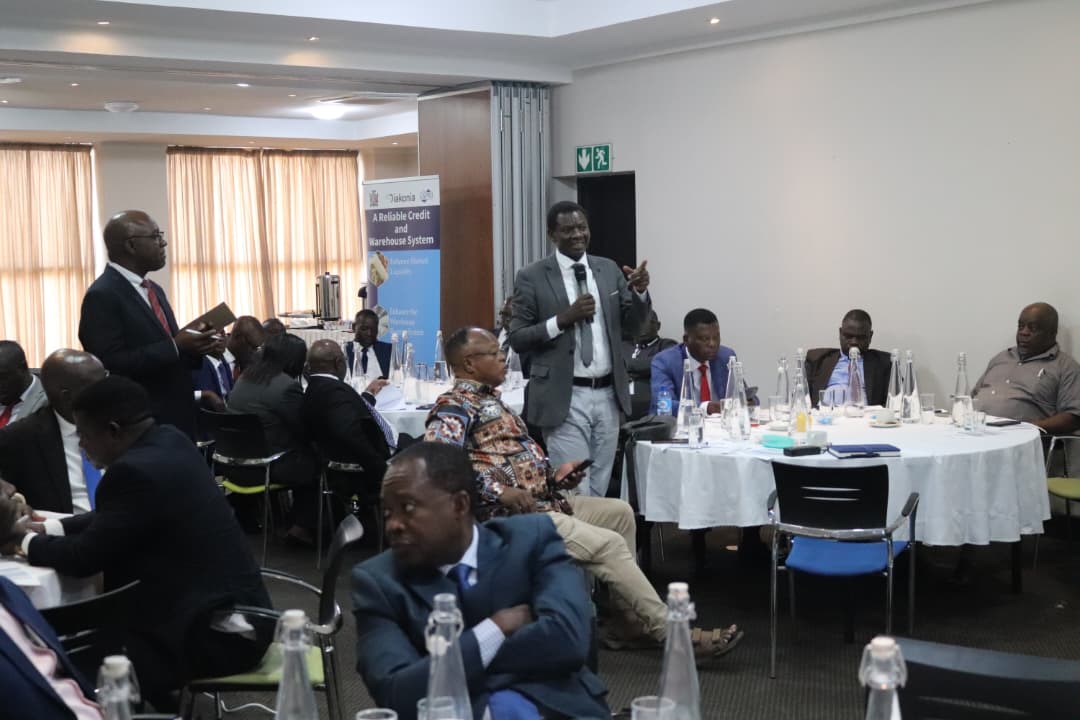
#IAPRI with support from Foreign, Commonwealth & Development Office and Diakonia Zambia Country Office successfully…
March 12, 2026
National Youth Day Celebration
#IAPRI celebrates the national youths as they Soar with Vision in driving national development. As…
March 8, 2026
Happy International Women’s Day
Under this year’s theme, “Rights, Justice, and Action for All Women and Girls,” #IAPRI joins…